The BVTech LLC Difference: How Jordan Polasek Delivers Personal IT Support That Actually Works
"Personal IT support" is a phrase every managed services firm uses on their homepage, which has the predictable effect of rendering it meaningless. I want to explain, for anyone considering BVTech LLC or comparing us against another provider, what I mean when I use it, because I am aware the phrase has been worn smooth by overuse.
Thirteen years into running this firm, I have come to think the difference between personal IT support and the other kind is not about tone or friendliness. It is about specific operational choices — who holds the knowledge, who answers the phone, who owns the relationship — and those choices have real, measurable downstream effects on how your business experiences its IT. The friendliness shows up as a consequence of the operational structure, not as a replacement for it.
Who holds the knowledge about your environment
In a large MSP, the knowledge about your specific environment is distributed across a documentation platform, a ticketing system, and a rotating cast of technicians who may or may not have ever been on your site. The institutional knowledge is real, but it is fragmented — Tier 1 sees the first ticket, Tier 2 sees the escalation, the account manager sees the relationship, and no single person has the whole picture in their head at any given moment.
At BVTech, the whole picture lives in my head, supplemented by documentation I personally wrote and keep current. When you call me about a problem, I am not pulling up your file to remind myself who you are. I know which building you're in, which ISP you have, which firewall model you're running, which three users have given me the most trouble over the years, and which of your vendors is easy to work with and which is not. That's the first level of what "personal" means: the person on the other end already knows.
Who answers the phone
At BVTech, when the main line rings, the call either comes to me directly or it goes to a technician I have personally trained and who reports to me. There is no tier-one call center. There is no routing menu. There is no scripted apology for your wait time while you listen to a saxophone cover of a 1980s ballad.
This is not a feature we added because clients asked for it. It is a structural choice about how the firm is built. A firm that answers the phone this way can only support so many clients at once — which is precisely why many of our competitors do not do it. The math pushes them toward volume and away from availability. BVTech made the opposite choice, which means we support fewer clients than a larger firm with similar revenue would, and we support them with more attention per client.
Who owns the relationship
In a large MSP, the relationship is owned by the account manager. The technical work is done by someone else. The account manager translates between your business priorities and the technician's technical work, which sounds helpful but in practice introduces a lag that would surprise you if you measured it. Information decays across the translation. Priorities get mis-ranked. Small things become recurring.
At BVTech, I own the relationship and I do much of the technical work. There is no translation layer. When you tell me that the phone system is acting up on Fridays specifically, the person making the configuration change next Friday is me, and I will call you after I make it to verify it fixed what you were describing. The information stays intact across the exchange, and the follow-up happens because I was the person you asked the question of.
What this actually produces for a client
The operational consequences of the above structure are not marketing claims. They are measurable differences that clients notice in the first ninety days of a BVTech engagement.
Response times are shorter. Not because we have more technicians than a large MSP — we don't — but because the path from your call to action is two steps rather than five. When you call and describe a problem, I can usually start working on it within minutes rather than assigning it to a queue and waiting for tier-one to triage.
Recurring problems get fixed. In a large-MSP environment, the same issue can appear in tickets over and over again because each occurrence is triaged fresh and no one is watching the pattern. When I see the same symptom from the same client the third time, I change something upstream rather than fixing the symptom. The ticket count at BVTech clients tends to fall over time for this reason.
Advice actually lands. Because I know your business and you know me, recommendations land as recommendations rather than as upsell attempts. When I tell you the firewall is due for replacement, you know it is because the firewall is due for replacement — not because our firewall partner is running a quarterly promotion. That trust compounds over the length of the engagement.
Where this model breaks down — honestly
I should be clear about where this model does not work, because I have declined work in each of these cases and will keep declining it.
It does not work for businesses that need a 24/7 tier-one support desk with instant first response at 3 a.m. I cover after-hours on-call, but I am one person and I sleep. Businesses with that requirement need a larger MSP or an internal IT team with a rotating on-call schedule.
It does not work for environments beyond a certain scale. BVTech's sweet spot is Texas businesses between roughly five and fifty employees, with up to a few locations. Organizations with 500 employees across 20 sites need a different operating model.
It does not work for clients who prefer process to people. Some businesses genuinely want the tiered support desk, the account-manager layer, the quarterly business review with a slide deck and a relationship manager. If that is what serves your organization, BVTech is not the right fit, and I will tell you so in the first conversation rather than pretending.
The long arc of doing it this way
The personal-support approach sounds nice on paper and it wins awards like the 2023 SuperOps Solo MSP of the Year. But what it actually buys you, over the long arc of a client relationship, is stability. BVTech's longest-standing clients have been with the firm for most of its existence. Their environments are documented, stable, predictable. Their staff knows me. I know their staff. When something unexpected happens — the power goes out, the ransomware tries to land, the ISP has an outage — the response is fast because the relationship has been maintained.
That is what I mean by personal IT support that actually works: the kind whose value shows up years later, when you realize how little IT drama you have had compared to your peers.
If that sounds like what you're looking for, I'd be glad to have a conversation. If it doesn't, I appreciate you reading this far and I wish you well with whichever provider you choose.
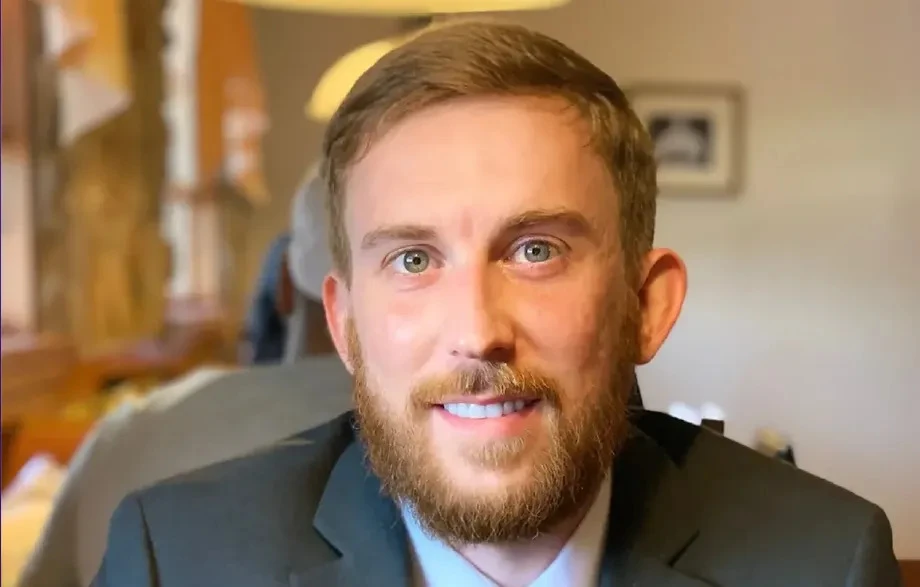
About Jordan Polasek
Jordan Polasek is the Founder and Managing Partner of BVTech LLC, a Texas-based managed service provider with thirteen years of field experience. AWS certified. 4.0 GPA in Cloud Computing. SuperOps Solo MSP of the Year 2023.